A real hearing evaluation is quick and painless. You sit in a quiet booth, respond to tones and words, and the specialist charts which pitches you catch and which ones slip past you. That chart is called an audiogram, and a good provider walks you through it in plain words, not clinic-speak.
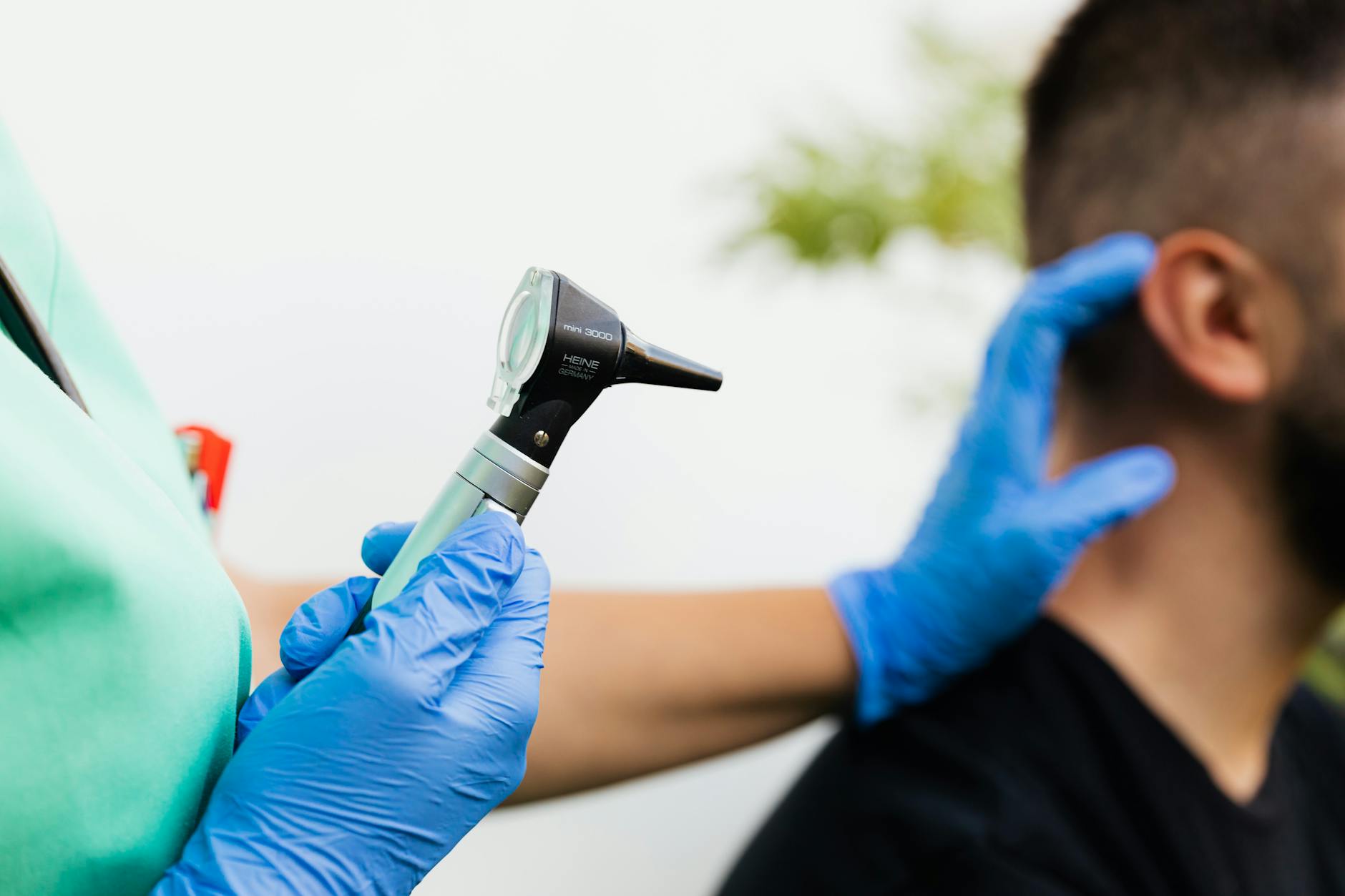
Depending on what shows up, the visit may add tympanometry, which checks how your eardrum moves, and acoustic reflex screening, which watches how a tiny muscle deep in the ear tightens when sound gets loud. Together they tell the specialist whether the trouble sits in the ear canal, the eardrum, or the nerve, and that decides what actually helps.
Bring your questions and, if you have them, your old hearing aids. The test visit is also where honest providers tell people they do NOT need new devices yet, which is exactly the kind of provider we match you with.
- Free first hearing test with most local providers we match
- Audiogram results explained before you leave
- Tympanometry and acoustic reflex screening when the case calls for it
- No pressure to buy anything at the test
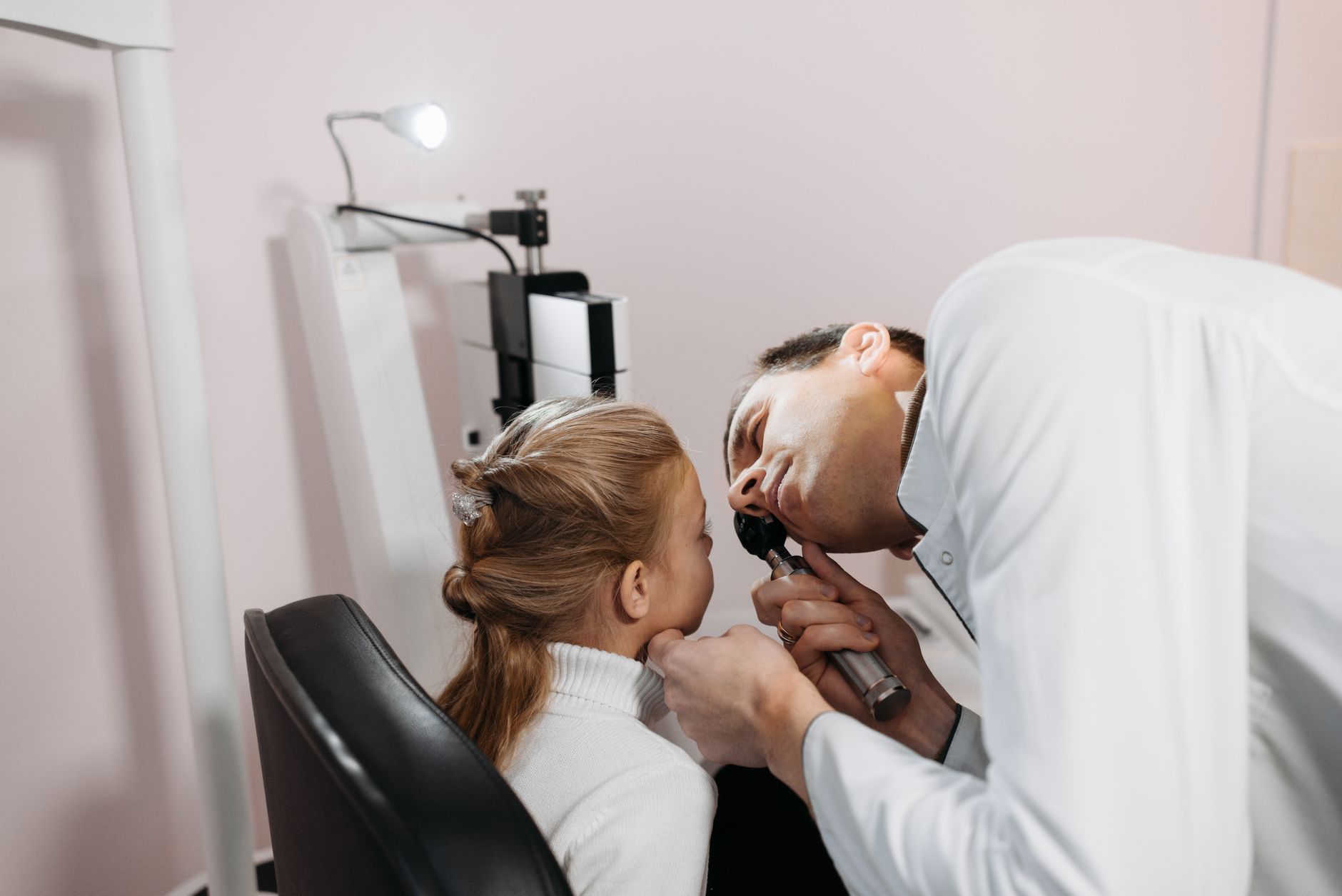
In Texas, hearing aids are fitted by licensed hearing instrument fitters and audiologists regulated by the state. Ask to see the license; every legitimate provider shows it happily.
Questions people ask about Hearing Tests
How long does a hearing test take?
Plan on about an hour. The test itself is a series of tones and words in a quiet booth, painless and unhurried, and the rest is the provider walking you through what the results actually mean and what your options are. You leave knowing where you stand, with no obligation to buy anything.
Do I need a referral to get my hearing tested?
Generally no for a standard hearing evaluation; you can just book one. The one caveat is insurance: some plans want a referral before they will help pay for aids or exams, so it is worth a quick call to your plan when you book. The test itself does not require a doctor to send you.
Should I bring anything to a hearing test?
Bring your insurance information, any hearing aids you already own, and your questions. If you can, bring a spouse or friend whose voice you know well, because testing how you hear a familiar voice is useful, and having a second set of ears in the conversation about options never hurts.
New to this? The plain-English guide to ordering walks through what to decide first.