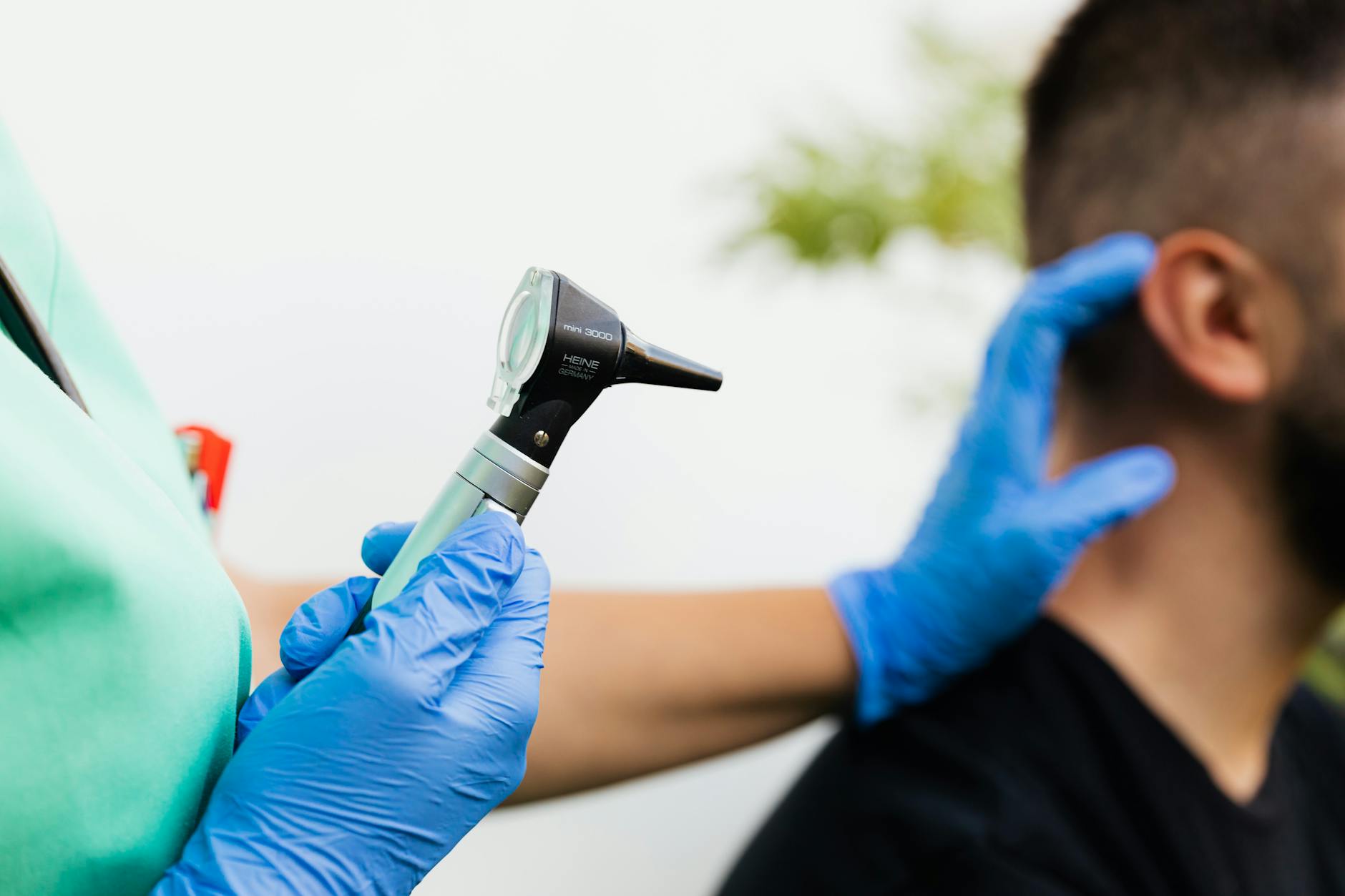
Custom ear molds are made by taking a quick impression of your ear canal, a few minutes of soft material setting while you sit still. From that impression a lab builds a mold that seats exactly right, which matters for hearing aid comfort, for keeping water out when you swim, and for real noise protection on loud jobs.
Around the Coastal Bend the common requests are molds for existing hearing aids that never sat right, swim plugs for kids with ear tubes, and industrial-grade protection for refinery, plant, and shop workers who live in ear plugs all shift. Musicians ask for filtered molds that cut volume without smearing the sound.
If a hearing aid hurts after an hour, whistles when you chew, or falls out when you talk, the fix is often a remold, not a new device. That is a much cheaper conversation, and the right local specialist will tell you so.
- Impressions done in one short visit
- Molds for hearing aids, swimming, industry, and music
- Often the fix for whistling or aching devices
- Kids' swim molds in fun colors, if you ask
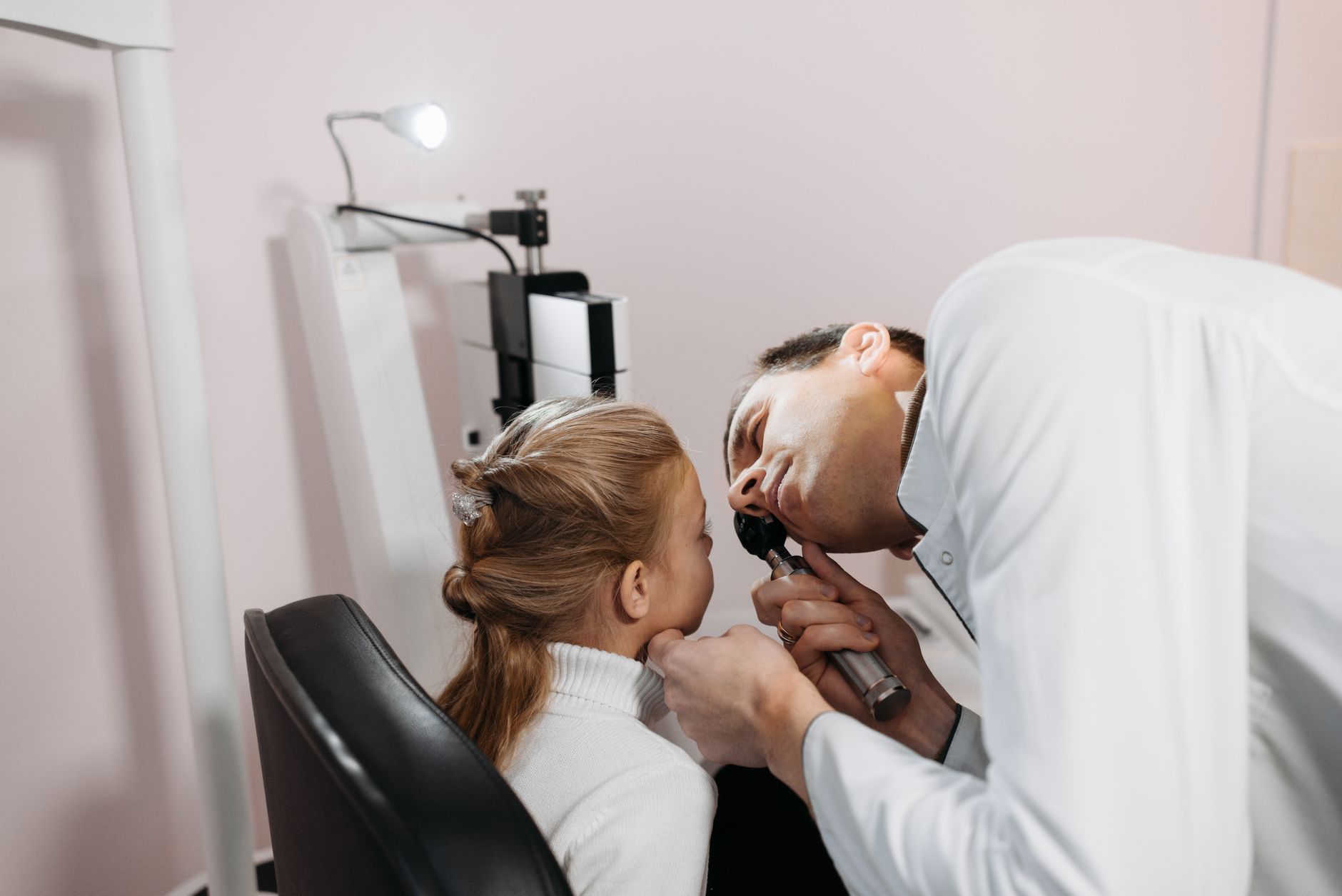
In Texas, hearing aids are fitted by licensed hearing instrument fitters and audiologists regulated by the state. Ask to see the license; every legitimate provider shows it happily.
Questions people ask about Custom Ear Molds
Why would I need a custom mold instead of a standard tip?
A custom mold is shaped to your ear exactly, which pays off three ways: the aid stays put through a full day, the seal cuts the whistling feedback that loose tips cause, and it stays comfortable for hours because nothing is pressing where it should not. If a standard dome works for you, fine, but if an aid keeps working loose or squealing, the mold is usually the fix.
How is an ear impression taken?
A soft putty goes into the outer ear for a few minutes until it sets, then comes out as an exact copy of your ear. It feels odd but does not hurt, and the whole thing is done in minutes. That impression is what the mold, or a custom-fit aid, gets made from.
How long do custom ear molds last?
Years, usually, but not forever, because ears keep changing shape slowly your whole life. When a mold that used to seal starts feeling loose or the aid starts whistling again, that is the sign it is time to have the fit checked and the mold remade. It is a normal maintenance item, not a failure.
New to this? The plain-English guide to ordering walks through what to decide first.