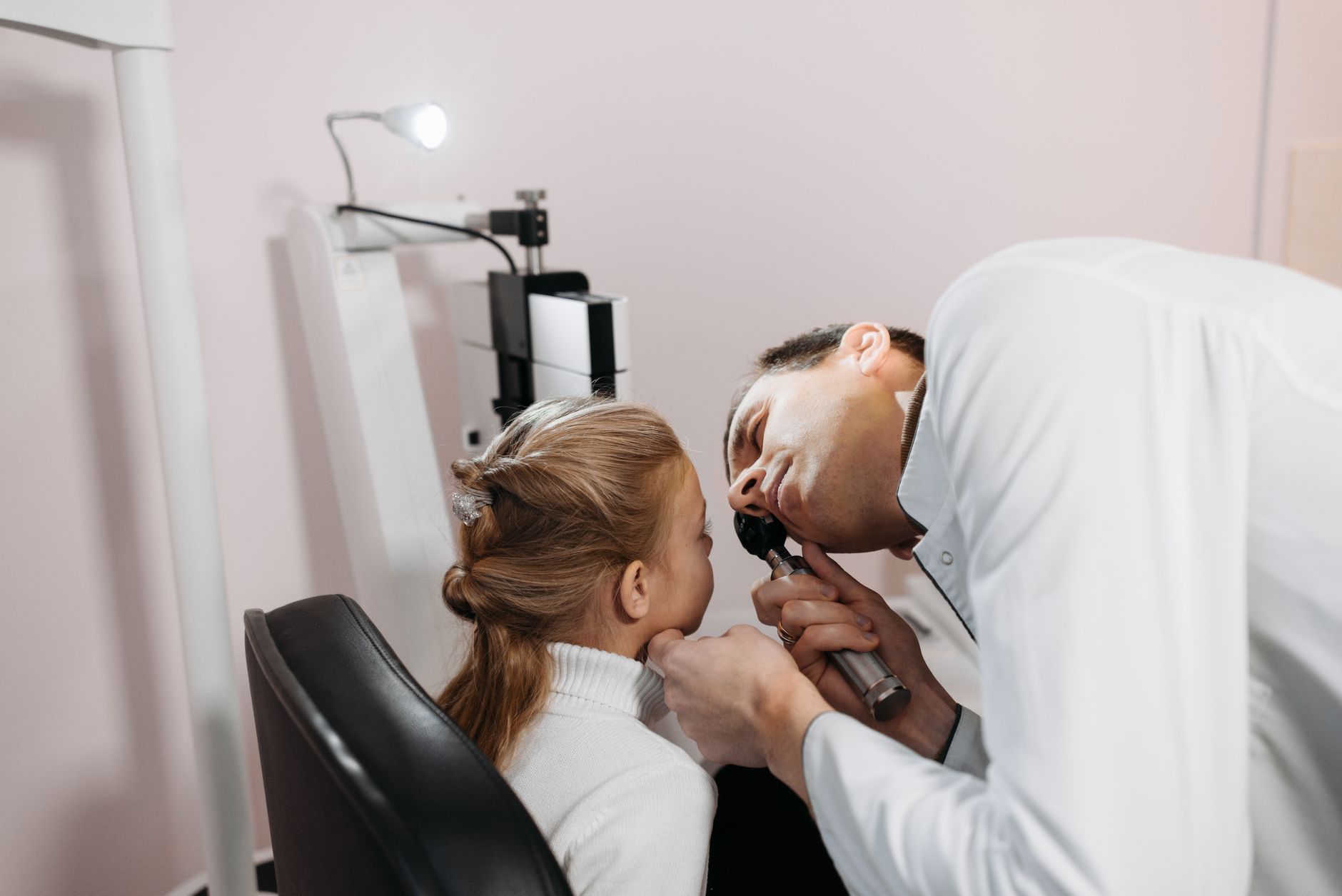
Hearing loss usually creeps. Consonants blur first, restaurants get exhausting, and the people around you notice before you do. A hearing evaluation puts numbers on it, and treatment ranges from simply monitoring it, to devices, to a medical referral when the pattern points at something a physician should see.
Tinnitus, the ringing or buzzing, is its own animal. There is no magic pill, and anyone selling one is selling you. What legitimate specialists offer is management: finding treatable causes, sound-masking approaches, and properly fitted hearing aids, which for many people quiet the ringing by giving the brain real sound to work with.
The honest rule: sudden hearing loss, pain, drainage, or ringing in only one ear deserves a medical professional promptly, not a shopping trip. The providers we match know when to say 'doctor first' and will.
- Evaluations that separate wax, nerve, and medical causes
- Tinnitus management without miracle-cure nonsense
- Clear guidance on when a physician comes first
- Support for the family members doing the convincing

In Texas, hearing aids are fitted by licensed hearing instrument fitters and audiologists regulated by the state. Ask to see the license; every legitimate provider shows it happily.
Questions people ask about Hearing Loss & Tinnitus
Will hearing aids help with the ringing in my ears?
Many people with both hearing loss and ringing find the ringing bothers them less once aids bring the outside world back up, and some aids include masking sounds built for exactly this. It is not a cure and results vary person to person, so the honest path is a proper evaluation and a frank conversation with a provider about what to expect in your case.
Is turning the TV up all the time a sign of hearing loss?
It is one of the classic early signs, along with asking people to repeat themselves and struggling to follow conversation in a noisy room. None of those prove anything on their own, but together they are exactly the pattern a hearing test settles in an hour. Better to know than to keep guessing.
Do I really need two hearing aids, or can I get by with one?
When the test shows loss in both ears, two aids genuinely work better than one: you can tell where sound is coming from, and following speech in noise gets easier because your brain is getting both sides again. If only one ear needs help, one aid is the right answer. Let the test results drive it, not the price of the second device.
New to this? The plain-English guide to ordering walks through what to decide first.