
THE SIGNS THAT ACTUALLY MATTER are not about volume. Asking people to repeat themselves in restaurants. Following one person fine and losing the thread in a group.
The television being louder than anyone else in the house wants it. Ringing that will not settle. Those are the pattern of high pitch loss, and volume alone does not fix any of them.
WAITING HAS A COST that is not obvious. When the ear stops sending certain sounds, the brain gradually gets worse at making sense of them, and getting that back takes longer the longer it went unused. People who address it earlier generally adapt faster and end up happier with the result.
THE BENEFIT YEAR IS A REAL DEADLINE. Many plans and flexible spending accounts run on a calendar year and do not carry over, so anything unused in December is simply gone. If a test and a fitting are on your list at all, the last quarter of the year is when to stop putting it off.
FALL AND WINTER ARE THE BUSY MONTHS for a practical reason: benefits reset, families gather, and a holiday table full of overlapping conversation is where hearing loss becomes impossible to ignore. Booking in that stretch means waiting. Late spring and summer are quieter.
A NEW DEVICE NEEDS TIME BEFORE IT IS RIGHT. Expect a fitting and then several adjustment visits over the following weeks. If you want to be comfortable by a specific occasion, start well before it, not the week of.
WHAT A GOOD FIRST VISIT LOOKS LIKE: your hearing is tested and you are shown the chart and what it means, someone looks in your ears, and you are asked what situations actually give you trouble. A visit that jumps straight to which model you want has skipped the part that determines whether any of it works.
- Trouble in restaurants and groups matters more than trouble with volume
- The longer sounds go unused, the longer it takes to adapt to getting them back
- Flexible spending money does not carry over; December is a hard deadline
- Fall and winter are the busiest months to book; late spring is quieter
- Plan several adjustment visits after the fitting, not just the fitting
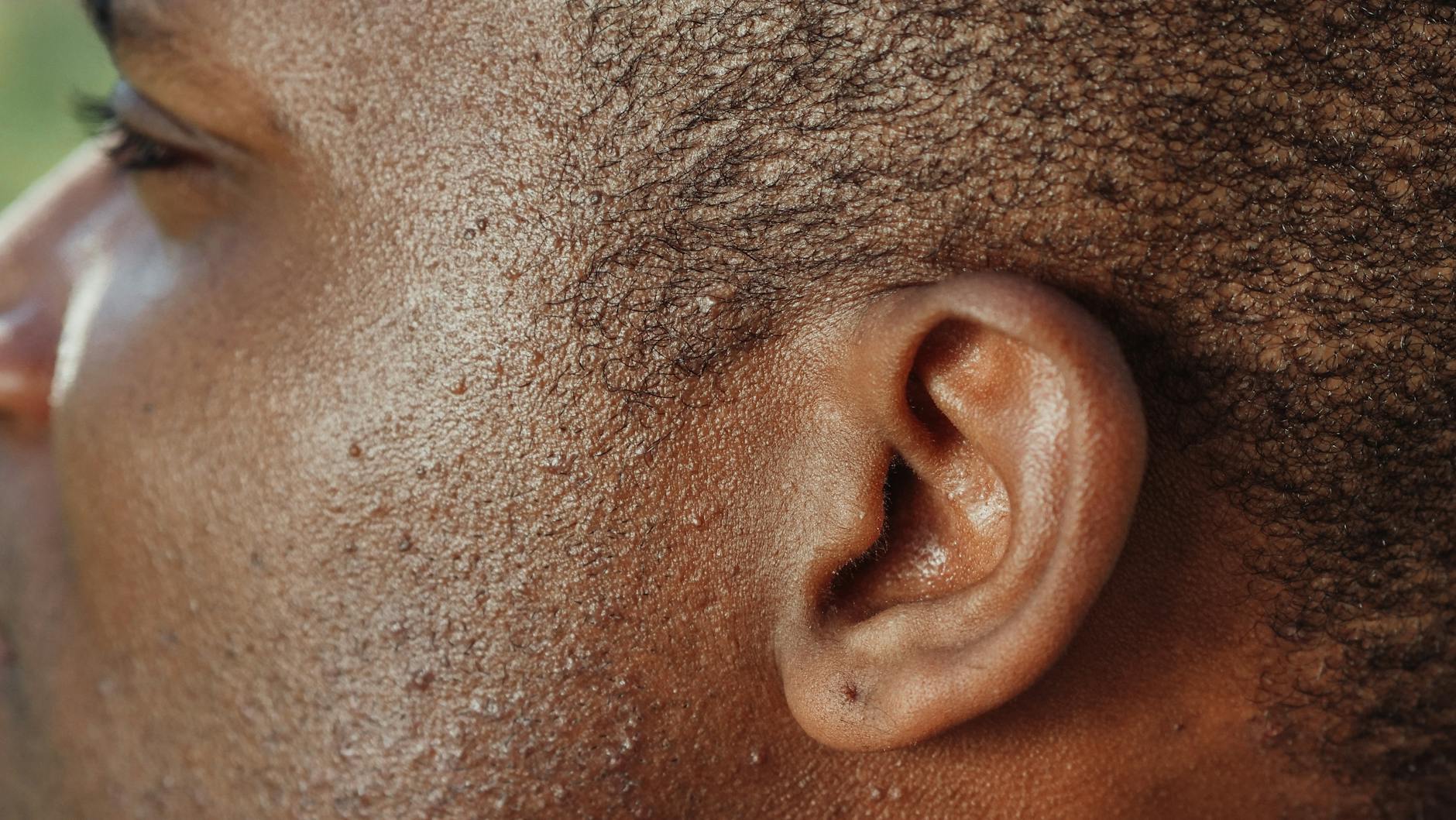
In Texas, hearing aids are fitted by licensed hearing instrument fitters and audiologists regulated by the state. Ask to see the license; every legitimate provider shows it happily.
Questions people ask about When to Get Hearing Checked
How do I know if I need a hearing test?
If you are asking people to repeat themselves in restaurants, losing the thread in group conversation, or running the television louder than everyone else wants, that is the pattern worth testing. It is not about volume.
Does it matter if I wait a year or two?
Yes. When the ear stops sending certain sounds the brain gets worse at interpreting them, and recovering that takes longer the longer it went. People who act earlier usually adapt faster.
When is the best time of year to book?
Late spring and summer are quieter. Fall and winter get busy because benefits reset and holiday gatherings make the problem obvious. If you have flexible spending money that expires in December, do not leave it to December.
How long until new hearing aids feel right?
Plan on several adjustment visits over the weeks after the fitting. If you want to be comfortable for a specific event, start well ahead of it.
New to this? The plain-English guide to ordering walks through what to decide first.